WoodcraftPROJECT GUIDE

THE INDEPENDENT WOODWORKING GUIDE

Woodworking Plans & Project Ideas for Your Next Build

Explore practical project ideas, essential tools, planning tips and digital woodworking plan collections before you start building.

Affiliate disclosure: We may earn a commission if you purchase through links on this page, at no additional cost to you.

View Ted’s Woodworking Details ↗
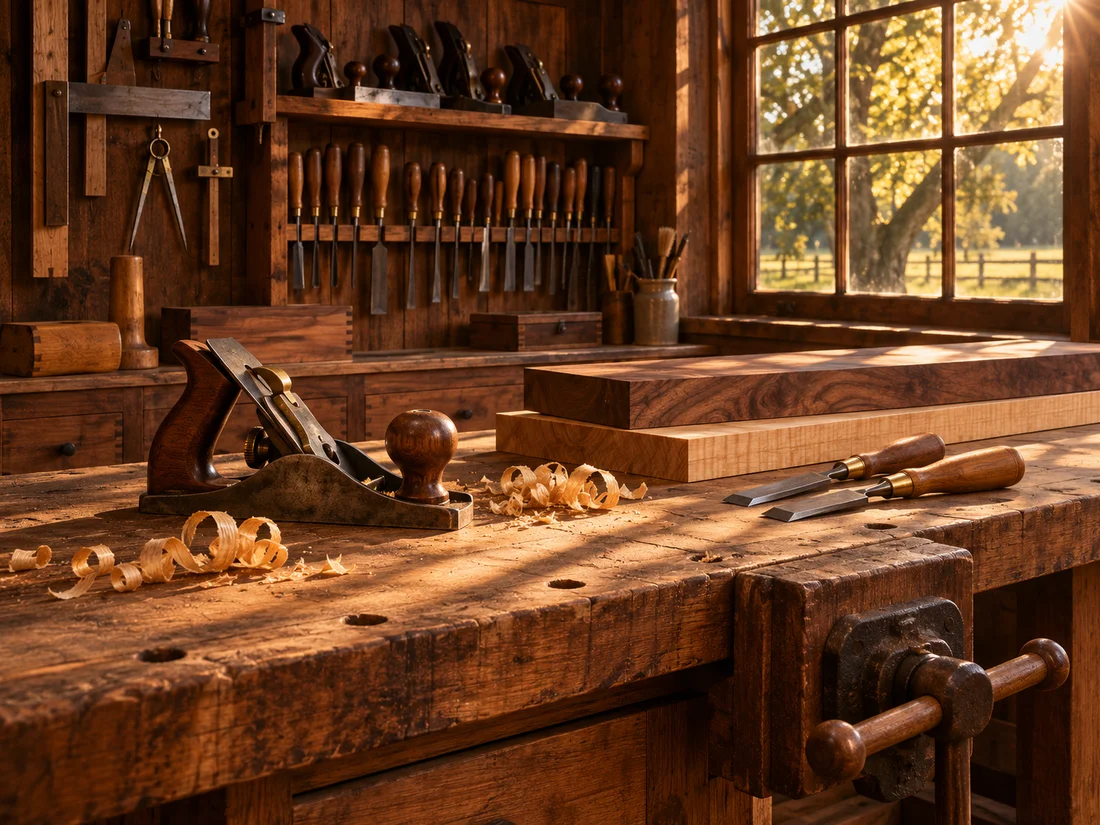
Hand tools on a sunlit wooden workbench

PROJECT IDEAS

Choose Your Next Project

Find a build that fits your tools, workspace and experience.

Beginner

Beginner Woodworking Projects

Start with a desktop tray, simple box or small picture frame. Choose square cuts and a project you can dry-fit on your bench.

Tools & planning

Tools Tape, square, drill, clamps

Buy flat stock close to its finished size and practice on an offcut first.

Intermediate

DIY Furniture Projects

Compare side tables, benches and freestanding cabinets by joinery, intended use and assembly space.

Tools & planning

Tools Square, saw, drill, clamps

Check doorway clearance and how the piece will be supported. Have load-bearing work validated.

Varies

Outdoor Woodworking Projects

Consider a planter surround or potting station that can drain and dry after rain.

Tools & planning

Tools Tape, drill, saw, square

Plan drainage, exposure, ground contact and compatible hardware before buying stock.

Beginner

Small Workshop Projects

Make a dedicated spot for pencil, square and measuring tape with a bench caddy or parts tray.

Tools & planning

Tools Tape, clamps, drill

Measure the bench and the tools first. Keep frequently used items within reach of your work position.

Varies

Storage & Organization Projects

Sketch a small-bin organizer or freestanding cubby around the objects it needs to hold.

Tools & planning

Tools Square, saw, drill, clamps

Measure the largest object and check finished openings and access. Validate wall attachments separately.

Beginner

Weekend Woodworking Ideas

Try a small keepsake box or a set of shop trays with repeated parts and simple assembly.

Tools & planning

Tools Square, drill, saw, sanding block

Allow time for dry fitting, glue cure and finish drying. Check each product label before scheduling.

GETTING STARTED

Beginner’s Woodworking Guide

Plan your first build around the tools you have and the skills you want to practice.

OSHA woodworking safety guidance ↗
Choosing Your First Project

Pick an object with a clear use, a few parts and cuts you can make with tools you already know. A small tray lets you practice squaring, checking fit and finishing without committing to a large material order.

Understanding Project Dimensions

Write down the outside dimensions and the inside space required. Distinguish nominal lumber labels from actual thickness and width by measuring your stock. Identify which parts fit between others before making a cut list.

Essential Measuring Tools

Use a tape for overall dimensions, a rule for short work and a square to check layout. Use the same reference edge for related marks, label matching parts and leave room for the blade kerf when planning cuts.

Selecting the Right Wood

Inspect boards for twist, cup and splits. Solid boards and sheet goods have different edge and finishing needs. For outdoor work, choose material and finish rated for the exposure and follow the fastener manufacturer's compatibility guidance.

Basic Workshop Safety

Read the tool manual, keep guards fitted, secure workpieces and use suitable eye and hearing protection. Plan for dust capture and ventilation. Disconnect power before changing blades or bits and get hands-on instruction for unfamiliar tools.

Common Planning Mistakes

Check finished dimensions before purchasing, budget for kerf and defects, and confirm there is space for clamps and assembly. Dry-fit before glue-up so mismatched parts can be corrected while they are still separate.

Understanding Material and Tool Costs

Price the units you will actually buy. Add hardware, finish, abrasives and delivery to the material estimate. Compare borrowing or renting a tool with buying it, including consumables and setup time.

PLANNING TOOLS

Interactive Project Planner

Estimate material costs and make a preparation list before you shop.

Material estimate

Enter your dimensions, quantity and cost to calculate an approximate subtotal.

Estimates exclude tax, waste, hardware, finishes, tools and delivery. Have a qualified professional validate structural or load-bearing designs.

PLAN COLLECTIONS

How to Evaluate Woodworking Plans

Use this checklist to compare a single project or an entire library.

Dimensions

Look for overall and part dimensions, units and clear references for each measurement. Confirm the plan identifies actual stock thickness.

Cut and material lists

Check that quantities agree with the diagrams. Include hardware, glue and finish, and budget separately for waste and test pieces.

Diagrams and sequence

Look for labeled views and a practical assembly order. Check whether the drawings explain where joints and fasteners go.

Skill and tools

Read the most difficult operation first. Check whether your tools and work area can handle the stock, joinery and assembly.

Digital collection limits

Inspect a sample in the format you will use. Verify print scale, measurements, included files, access requirements and support.

Free and paid options

A clear free plan can be enough for one simple build. Consider a paid library if multiple projects fit your needs and samples show the level of detail you need.

COMMON QUESTIONS

Frequently Asked Questions

Are digital woodworking plans suitable for beginners?

Yes, when the plan uses familiar tools, explains each part and provides a clear assembly sequence. Read a sample before committing to a build.

What tools do I need before starting?

Start with the tools listed for the specific plan. A tape, square, pencil and clamps cover much of the layout and preparation. Check cutting, fastening and safety requirements before buying materials.

How do I estimate woodworking project costs?

Multiply quantity by the actual price per purchasable unit, then add hardware, finish, consumables, waste, tax and delivery as applicable. Use the planner for an initial subtotal.

What should I check before buying a plan collection?

Review the samples, required tools, format, current price, access terms, support and refund instructions at checkout.

Are free plans sufficient for simple projects?

Often. Check that the plan supplies complete dimensions, a material list and assembly instructions you can follow.

Who handles payments and refunds for recommended products?

The merchant and payment provider identified at checkout handle transactions and refund requests. Keep your receipt and follow the support instructions on it.

Explore the Plan Collection

Affiliate disclosure: We may earn a commission if you purchase through links on this page, at no additional cost to you.

View Ted’s Woodworking Details ↗

Cookie Preferences

Essential storage keeps your choices. Choose whether to allow optional measurement.